

How to Care for Ceramic Mugs: 2026 Guide
Last Updated: September 8, 2026
A ceramic mug is a daily ritual and personal reminder of your values. Proper maintenance protects its glaze, vibrancy, and structure.
Handwash or Dishwasher: What's Safer for Your Ceramic Mugs?
Handwashing is safest for preserving finish and artwork on your ceramic mugs. Even dishwasher safe ceramic mugs can dull and fade, especially those with metallic accents or hand-painted details (ceramicartsnetwork.org).
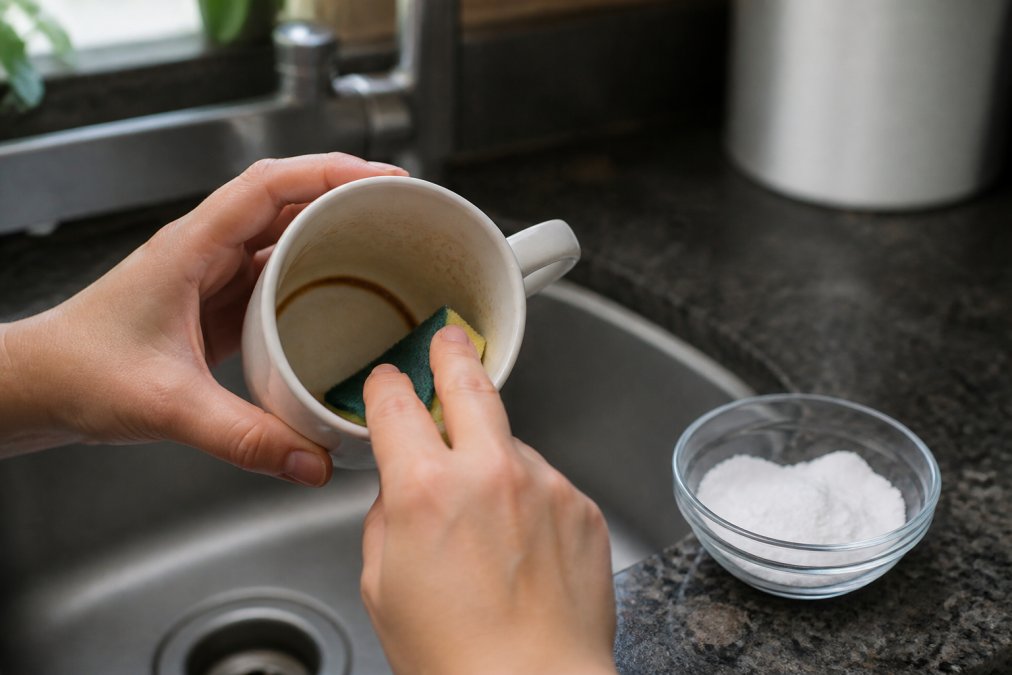
How to Remove Coffee Stains from Ceramic Without Damaging the Glaze
Coffee and tea tannins create stubborn brown rings. Remove them with a baking soda paste: rinse, sprinkle baking soda, add water, scrub gently with a soft sponge, and rinse. For set-in stains, soak in warm water with distilled vinegar for 15 to 20 minutes (extension.iastate.edu).
Preventing Ceramic Mug Thermal Shock and Cracks
Thermal shock from sudden temperature changes is the leading cause of cracks. Allow mugs to reach room temperature before adding hot liquids and avoid moving them from refrigerator to microwave.
Proper Storage and Daily Maintenance Routines
When stacking mugs, place a soft cloth between them to prevent scratching. Rinse, gently wash, and dry thoroughly; ceramic is porous, so complete air drying prevents mold and mildew.
| Maintenance Task | Recommended Method | Frequency |
|---|---|---|
| Rinsing | Warm water rinse after each use | Daily |
| Deep Cleaning | Baking soda paste scrub | Weekly |
| Stain Removal | Distilled vinegar soak | As needed |
| Drying | Air dry on a dish rack | After every wash |
Handling Delicate Glazes and Repairing Minor Chips
Matte glazes are more porous and prone to discoloration; glossy glazes resist stains but show scratches more visibly. Minor rim chips can be smoothed with fine-grit ceramic sandpaper, but a full-wall crack means the mug is no longer food-safe.
Caring for your ceramic mugs preserves the daily inspiration they provide. Handwash with mild detergent, address stains with baking soda, and protect pieces from thermal shock to keep artwork vibrant for years. Add to cart and let your morning ritual reinforce your commitment to making a difference.