

How to Support Sustainable Brands: A Practical Guide
Last Updated: August 14, 2026
How to Support Sustainable Brands: Start Here
Supporting sustainable brands means making conscious purchasing decisions that align your values with companies prioritizing environmental responsibility, fair labor, and transparent supply chains. Before buying, ask three simple questions: Who made this? Where did the materials come from? What happens to it when I'm done?
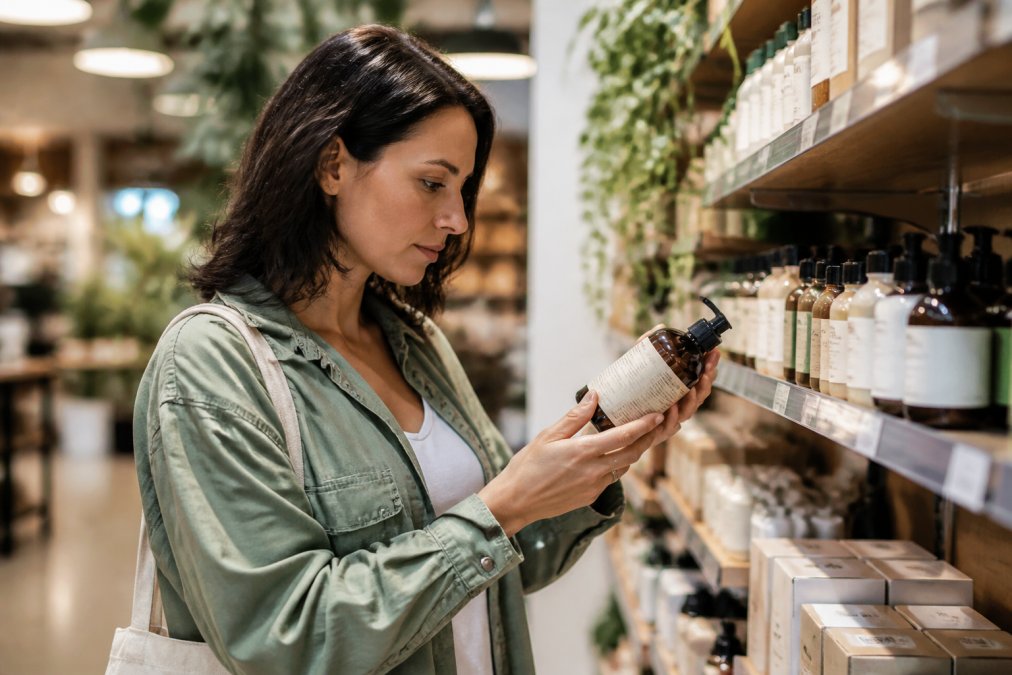
How to Identify Greenwashing and Avoid False Claims
Greenwashing happens when brands make environmental claims without substance, using earth-tone packaging while doing nothing to reduce their carbon footprint. Watch for vague language like "eco-friendly" or "natural" without specific certifications backing them up.

Check for third-party certifications like Fair Trade or B Corp, which require independent verification. Real sustainable brands publish supply chain transparency reports and set measurable carbon reduction targets publicly.
Sustainable Shopping Checklist and Budget-Friendly Approaches
The most sustainable product is one you already own, followed by secondhand items. Buy less, choose well, calculate cost-per-wear rather than upfront price. Explore thrift shops and resale platforms to extend product lifecycles while reducing manufacturing demand.
Choose natural, durable materials like cotton, linen, and wool that last longer and biodegrade. Ask about product lifecycle: Do they offer repair services, take-back programs, or recycling options?
Supporting sustainable brands is how you participate in creating the future you want to see. When you choose companies that prioritize fair wages, environmental responsibility, and supply chain transparency, you're not just buying a product, you're endorsing a business model. She's Got the Whole World in Her Hands celebrates women who make these conscious choices, reminding you daily that your voice and purchasing power shape global change. Start today with one intentional purchase decision.
This article was written using GrandRanker