

Why Artisan Mugs Cost More: The Real Value
Last Updated: August 17, 2026
Why Artisan Mugs Cost More: Labor and Craftsmanship
Creating an artisan mug requires years of skill and individual attention. Each piece demands 30-45 minutes of direct hands-on work, clay preparation, centering, trimming, handle attachment, and firing, plus kiln time and quality control, with failure rates built into production costs.
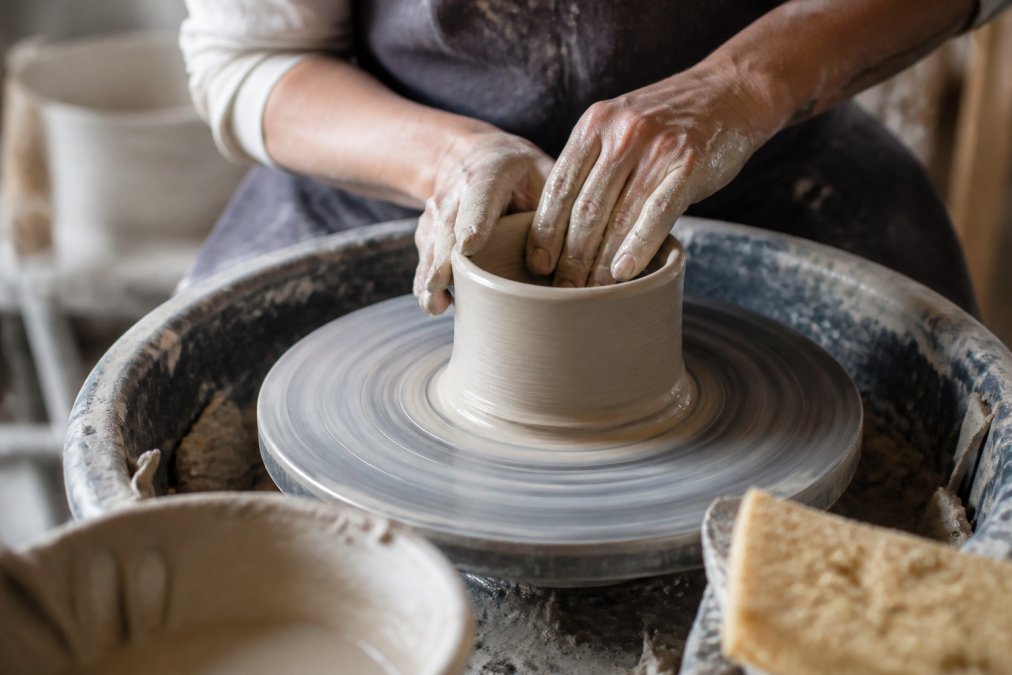
She's Got the Whole World in Her Hands understands this reality. The brand's mugs feature original watercolors and carefully curated quotes from Victoria Covell's "The Evolutionary Woman of the 21st Century," with each design thoughtfully applied to pieces that have already demanded hours of skilled labor. Labor costs reflect true time investment: studio rent, utilities, equipment maintenance, and materials all factor into pricing.
Handmade vs Mass-Produced Ceramics: Quality and Durability
Mass-produced mugs use slip casting or injection molding to create hundreds of identical pieces per hour, sacrificing quality through thinner clay bodies and weaker glaze bonds. Handmade ceramics feature thicker, denser clay with hand-applied glazes adjusted for each piece, allowing them to last decades while mass-produced mugs chip easily due to inferior glaze-to-clay bonds.

How to Care for Ceramic Inspirational Mugs and Extend Their Life
Hand wash your mug with mild soap and warm water, dishwashers cause thermal shock and wear away glazes. Avoid sudden temperature changes, store mugs upright to protect rims, and never use the microwave, as uneven heating causes thermal stress and some glazes contain metallic compounds that spark.
When you choose an artisan piece, you're investing in an object made with skill, intention, and care, one that will outlast impulse purchases and serve as a daily reminder of your own power and purpose.
This article was written using GrandRanker